
Majorca's quieter sibling doesn't shout, and that's rather the point. Menorca is a UNESCO Biosphere Reserve with low-rise resorts, dry-stone walls, red-sand hills and a coast of turquoise coves that you reach through pine woods rather than hotel lobbies. It also holds a remarkable number of prehistoric monuments, many of them sitting quietly in farmers' fields.
The island is small, about 50 kilometres from one end to the other, so you can hop between its two old towns, Ciutadella in the west and Maó in the east, in under an hour. Hire a car, get to the coves early, and plan at least one long seafood lunch on the north coast.
Don't miss
Towns and villages
Ciutadella
Neighbourhood

Photo: LANOEL, CC BY-SA 3.0 The old capital sits at the island's western end, a graceful tangle of lanes, arcaded streets and noble houses around a small natural harbour lined with seafood restaurants. The Gothic cathedral and the palaces of the island's old families give it a dignified air, and in late June the Sant Joan festival fills the streets with horses and riders.
Tip: Walk down to the harbour in the evening. The restaurants there are best for fresh fish.
Maó (Mahón)
Neighbourhood
The capital sits above one of the largest natural harbours in the Mediterranean, a deep inlet that the British, French and Spanish all fought to control. The town has an old centre of Georgian-influenced houses, a lively market and a waterfront lined with cafés and boat tours.
Fornells
Neighbourhood

Photo: Nikodem Nijaki, CC BY-SA 3.0 A whitewashed fishing village on a sheltered bay on the north coast, and the island's home of caldereta de langosta, a rich lobster stew. Sit on a terrace on the quayside, order the caldereta, and watch the windsurfers out in the bay.
Binibeca Vell
Neighbourhood
A whitewashed maze of tiny alleys and low houses on the south coast, built in the 1970s to look like an old fishing village. It's a pretty and photogenic place to stroll, with a few cafés and shops, and it's best visited early in the morning or late in the day.
Beaches and coves
The south coast has the famous calas; the north is wilder.
Cala Macarella
Beach

Photo: Paul Stephenson, CC BY 2.0 A horseshoe of pale sand and clear, shallow turquoise water between pine-covered cliffs on the south-west coast, with a smaller, quieter cove, Macarelleta, around the rocks to one side. It's one of the island's most beautiful bays and one of the most popular.
Tip: Car parks fill up in summer, so arrive early or walk in along the coastal path from nearby Cala Galdana.
Cala Turqueta
Beach

Photo: Markus Trienke, CC BY-SA 2.0 A little cove of white sand and astonishingly clear water, framed by pines. Much less developed than the big resort beaches, and all the better for it. Bring water and a snack.
Cala Pregonda
Beach

Photo: Nicolas Vigier, CC0 On the wild north coast, a bay of reddish sand dotted with rocky islets. There's no road: it's reached on foot along a coastal path, which keeps it uncrowded and wonderfully remote.
S’Albufera des Grau
Nature
A protected wetland park on the east coast, with a lagoon, walking trails and bird hides, next to the small fishing village of Es Grau and its calm, shallow beach. A gentle half day that's quiet and green.
Ancient Menorca and the wild coast
Naveta d'es Tudons
Landmark

Photo: Menorquino, CC BY-SA 3.0 es A Bronze Age burial chamber near Ciutadella, shaped like an upturned boat and built from huge blocks of stone without mortar. It stands alone in a field, and is often described as one of the oldest roofed buildings in Europe.
Torre d'en Galmés
Landmark

Photo: Martin JW, CC BY-SA 4.0 The island's largest talayotic settlement, a prehistoric village of stone towers, circular houses and a sacred enclosure, on a hilltop in the south. Wander the ruins and picture the people who lived here more than two thousand years ago.
Monte Toro
Landmark

Photo: rene boulay, CC BY-SA 3.0 At 358 metres, Monte Toro is the island's highest point, near Es Mercadal in the centre. A road winds up to a hilltop sanctuary, and from the terrace you can see across the whole of Menorca to the sea on both sides.
Cap de Cavalleria
Nature

Photo: Ben Salter from Wales, CC BY 2.0 A windswept headland on the north coast with a lighthouse, dark cliffs and a huge sweep of sea. It's a dramatic contrast to the soft beaches of the south, and a fine place for sunset.
Camí de Cavalls
Activity

Photo: MontanNito, CC BY-SA 3.0 A historic coastal path of around 185 kilometres circles the whole island, once used to defend the coast. You can walk, cycle or ride any section of it, linking coves, headlands and old watchtowers. Even a short stretch from a beach shows you the island at its best.
Tip: Take plenty of water and sun protection, since there is little shade on exposed stretches.
Eat and drink
Mahón cheese
Food

Photo: Asphaltbuffet, CC BY-SA 3.0 The island's famous cow's-milk cheese, with a protected designation of origin, ranges from soft and young to hard, tangy and crumbly when aged. Eat it with a drizzle of olive oil or local honey. A farm visit is a delicious way to see how it's made.
Menorcan gin
Food
Gin has been distilled on Menorca since the British naval presence of the 18th century. Try a pomada, the local summer drink of gin and cloudy lemonade, served at fiestas and in terrace bars all over the island.
Caldereta de langosta
Food
Menorca's signature dish, a stew of spiny lobster slowly cooked with onion, tomato and herbs, served in a pot with bread for the sauce. Fornells is the place to have it, and it's a splurge that's worth it.
Where to stay in Menorca
Not sure which area suits you? Read our guide: Where to stay in Menorca →

★★★★
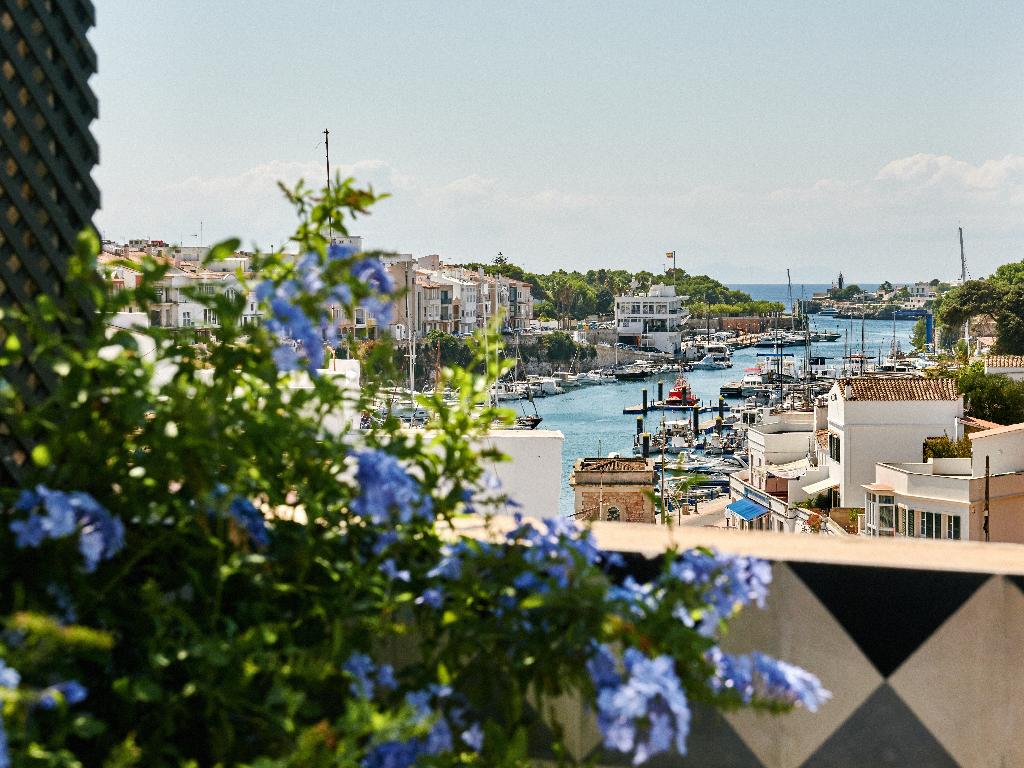
Senator Port Mahon
Mahon
Pool · Family-friendly
From £165 a night, taxes incl.2 adults · checked 1 Oct, 17:23
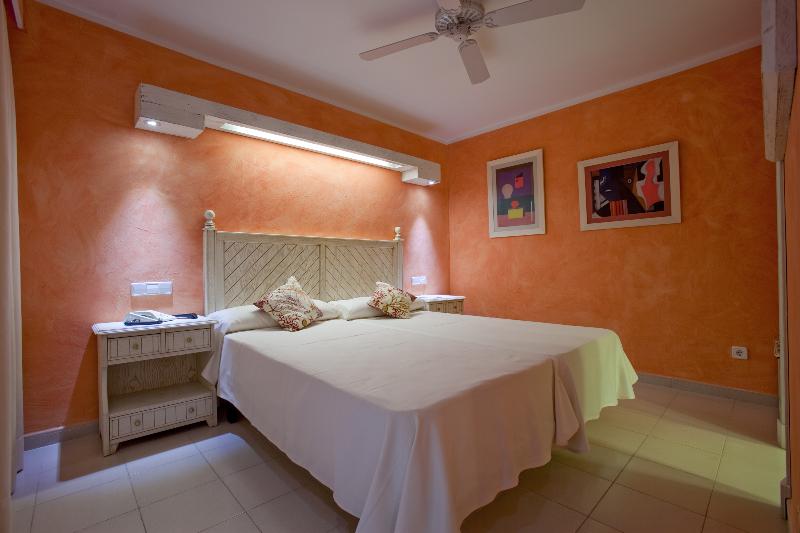
★★★★
Royal Son Bou Family Club
Alaior
Beach 100 m · All-inclusive option · Pool
From £224 a night, taxes incl.2 adults · checked 1 Oct, 17:23
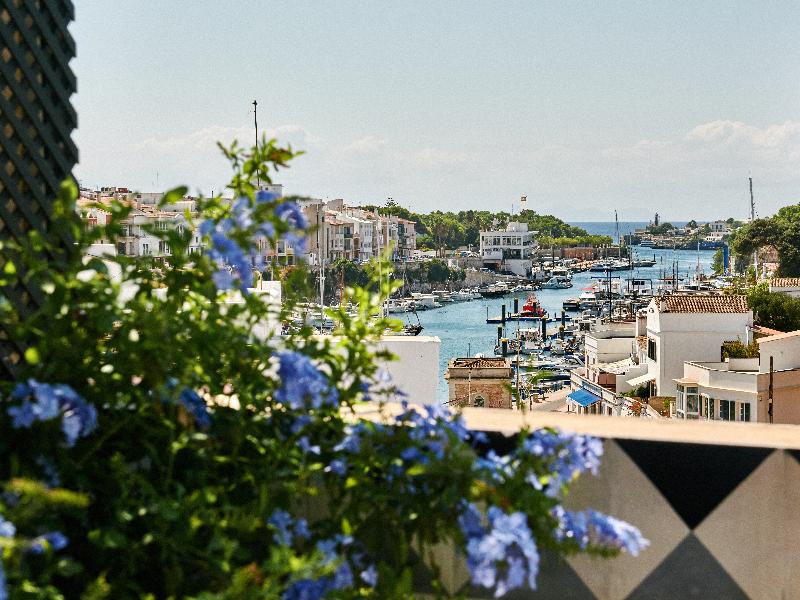
★★★★★
Faustino Gran Relais & Chateaux
Ciutadella
Spa · Pool · Golf
See prices and rooms →
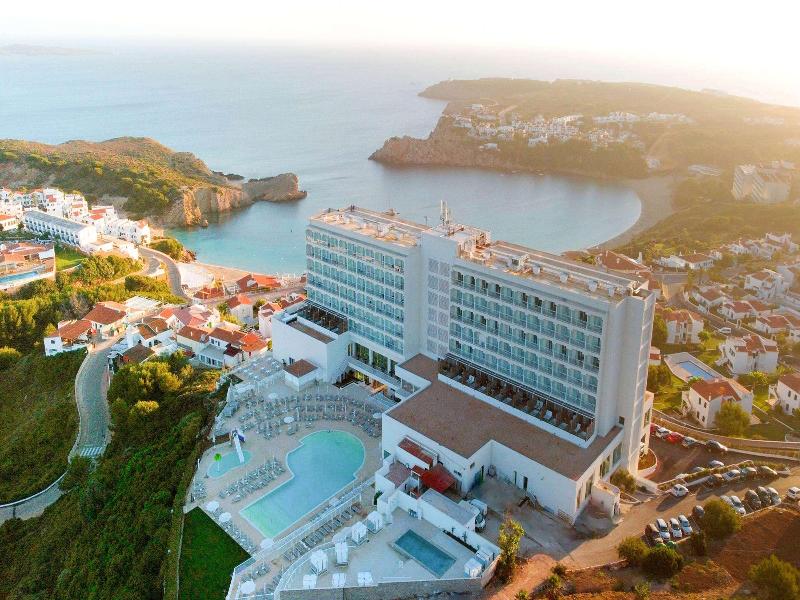
★★★★
Palladium Hotel Menorca
Mercadal
Beach 200 m · All-inclusive option · Pool
From £149 a night, taxes incl.2 adults · checked 1 Oct, 17:23
★★★★
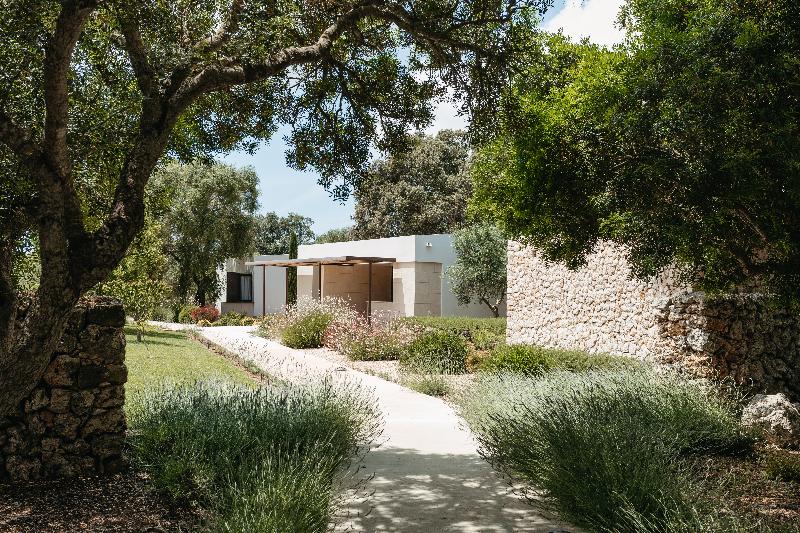
Agroturismo Malbuger Nou Menorca Adults Only
Mahon
Adults only · Pool · 12 rooms
See prices and rooms →

★★★★★
Villa Le Blanc Gran Meliá Hotel
Es Migjorn Gran
Beach 50 m · All-inclusive option · Spa
From £350 a night, taxes incl.2 adults · checked 1 Oct, 17:23
★★★★
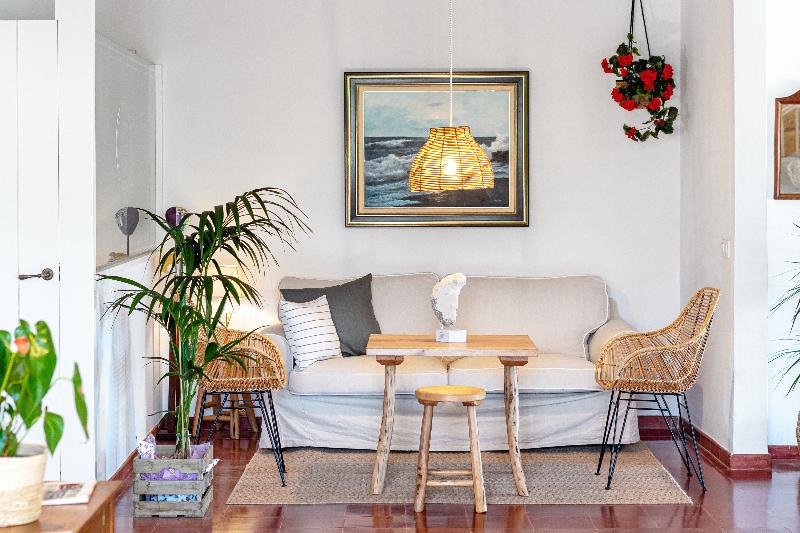
Agroturismo Son Juaneda
Ciutadella
Pool · 10 rooms · Parking
From £199 a night, taxes incl.2 adults · checked 1 Oct, 17:23
★★★★★
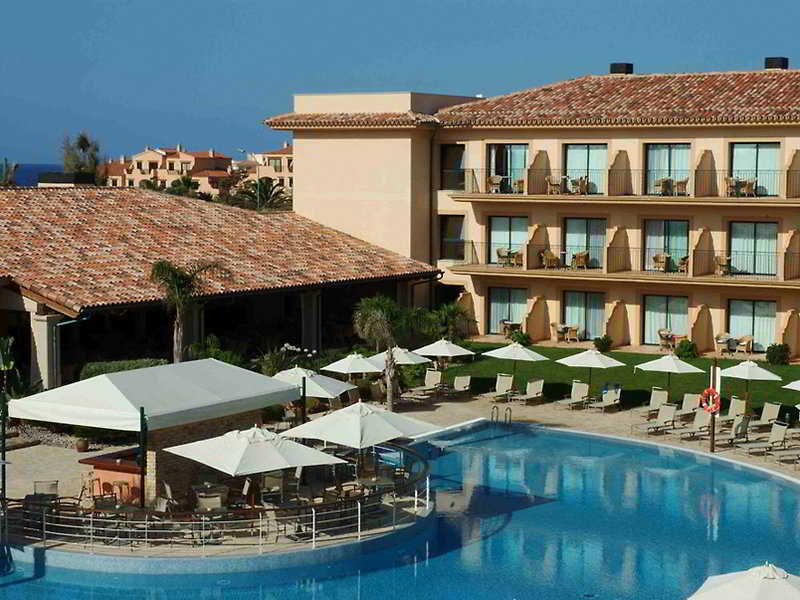
La Quinta Menorca By PortBlue Boutique
Ciudadela
Beach 250 m · Spa · Pool
See prices and rooms →
Getting around
A hire car is the best way to reach the coves and ancient sites, as buses mostly link the main towns and resorts. Roads are narrow and quiet. Parking at the most popular coves is limited in summer, so go early.
When to go
May, June, September and October are warm and walkable, and the island is quieter. July and August are hot and busy at the popular beaches. Some restaurants and attractions close in the winter months.
Questions about visiting Menorca
- What is Menorca best known for?
- Its unspoilt beaches and coves, the old towns of Ciutadella and Maó, prehistoric monuments such as the Naveta d’es Tudons, and the Camí de Cavalls coastal path.
- Is Menorca worth visiting?
- Yes, particularly if you want clear water, quiet coves and a slower pace than Majorca or Ibiza. It suits couples, families and walkers.
- What is there to do in Menorca with kids?
- Shallow, sandy beaches such as Son Bou and Cala Galdana, boat trips on Maó harbour and the coastal paths are all good with children.
- How many days do you need in Menorca?
- A week is ideal for beaches, the two old towns and a few ancient sites. Four days covers the highlights.
- Do you need a car in Menorca?
- It helps a lot. Buses connect towns and resorts, but a car makes it easy to reach the best coves and to see both coasts.
More guides
- Where to stay in Menorca
- The best things to do in London
- The best things to do in Edinburgh
- The best things to do in Amsterdam
- The best things to do in Barcelona
- The best things to do in Budapest
- The best things to do in Dublin
- The best things to do in Krakow
- The best things to do in Prague
- The best things to do in Berlin
- The best things to do in Lisbon
- The best things to do in Milan
- The best things to do in Paris
- The best things to do in Rome