
Tokyo is the city that never runs out. A thousand-year-old temple sits a few stops from a neon-soaked arcade, and a silent forest shrine is a five-minute walk from the busiest shopping streets in Asia. Trains run on the minute, vending machines sell hot coffee, and the best meal of your trip might be a bowl of ramen eaten standing up.
The trick is to treat it as a collection of villages rather than one city. Pick a district each day (Asakusa for old Tokyo, Shibuya and Harajuku for youth culture, Shinjuku for lights and bars) and let the train map do the rest. Buy a rechargeable transit card, wear comfortable shoes and leave room in the schedule for wandering.
Don't miss
Temples, shrines and palaces
Senso-ji
Landmark

Photo: Guilhem Vellut from Annecy, France, CC BY 2.0 Tokyo's oldest temple sits in Asakusa behind the Kaminarimon, a gate hung with a huge red paper lantern. Beyond it, Nakamise-dori is a lane of stalls selling snacks and souvenirs, and the main hall is wreathed in incense smoke. Come early, or after dark when the crowds thin and the temple is lit.
Tip: Pull a paper fortune (omikuji) and try the freshly made snacks along Nakamise-dori.
Meiji Shrine
Landmark

Photo: Tokuzo in Edomura, CC BY-SA 4.0 Step off the pavement at Harajuku and you walk into a forest. A broad gravel path runs beneath giant torii gates to the shrine dedicated to Emperor Meiji, past barrels of sake and wine offered to the spirits. It's one of the most peaceful places in the capital, and it's free to enter the grounds.
The Imperial Palace and Nijubashi
Landmark

Photo: Chris 73, CC BY-SA 3.0 The emperor's residence stands on the site of the old Edo Castle, ringed by moats and stone walls in the middle of the city. The inner grounds aren't open to visitors, but the famous Nijubashi bridge can be seen from the plaza, and the East Gardens are open to the public.
Neighbourhoods and nightlife
Shibuya Crossing
Landmark

Photo: Benh LIEU SONG (Flickr), CC BY-SA 2.0 When the lights change, hundreds of people cross in every direction at once, in a calm, orderly flood. It's become a symbol of the city. Watch from a high viewpoint above the station, then wade in and cross it yourself.
Tip: There are several elevated viewpoints around the station. The crossing is busiest on evenings and weekends.
Harajuku
Neighbourhood
The home of Tokyo's youth fashion, centred on Takeshita Street's crowded lane of crepe stands, costume shops and quirky boutiques. Walk a few streets over to the calmer Omotesando, a tree-lined avenue of architect-designed flagship stores.
Golden Gai
Nightlife

Photo: Alexkom000, CC BY 4.0 A tiny cluster of narrow alleys in Shinjuku packed with more than a hundred minuscule bars, many seating only a handful of people. Each has its own theme, from jazz to film posters. Pick one that looks welcoming and settle in for a drink.
Tip: Some bars have a cover charge or are regulars-only, so look for a sign in English.
Akihabara
Neighbourhood
Tokyo's electronics and pop-culture district, a blaze of signs, multistorey arcades and shops devoted to anime, manga and collectables. Even if you don't buy anything, an hour here is a window into a side of Japan that defines the modern city.
Green space and views
Shinjuku Gyoen
Nature

Photo: Basile Morin, CC BY-SA 4.0 A former imperial garden turned public park, with Japanese, English and French sections, ponds, tea houses and glasshouses, all backed by the skyscrapers of Shinjuku. It's famous for cherry blossom in spring and fiery maples in autumn, and lovely at any time.
Tokyo Skytree
Landmark

Photo: Basile Morin, CC BY-SA 4.0 At 634 metres, Skytree is Japan's tallest structure, and the observation decks have views across the whole sprawling city and, on clear days, to Mount Fuji. It rises above the old shitamachi (downtown) quarter, a short walk from Asakusa.
Tip: Clear days make all the difference, so check the forecast and go in the late afternoon for the sunset.
Ueno Park
Nature
A large park that's also the city's museum quarter, with the Tokyo National Museum and several galleries among the trees. Shinobazu Pond is ringed with temples and edged with lotus plants, and the cherry blossom season brings huge picnic crowds.
Eat and drink
Tsukiji Outer Market
Market

Photo: Aimaimyi, CC BY-SA 3.0 The wholesale fish auctions have moved to Toyosu, but the lanes of the Outer Market in Tsukiji still hum with stalls selling sushi, grilled seafood, fresh tamagoyaki (sweet omelette) and knives. Graze your way through breakfast.
Tip: It is a morning place. Many stalls wind down by early afternoon, so arrive hungry and early.
Ramen
Food

Photo: Andy Li, CC0 Tokyo is a ramen city, and the local style is a soy-based broth with thin noodles, though you'll find rich pork tonkotsu and miso versions on every street. Many shops use ticket machines at the door: buy your ticket, hand it to the chef and slurp.
Sushi
Food
From a conveyor-belt counter to a ten-seat counter where the chef hands you each piece, sushi in Tokyo is a pleasure at every level. The fish is superb. A lunch set at a good neighbourhood place is a lovely way to try it.
Izakaya
Food
The Japanese pub: small plates of grilled skewers, fried chicken, sashimi and salads washed down with beer, sake or highballs. Dive into the narrow lanes under the railway arches near Yurakucho, or pick any place with a glowing red lantern at the door.
Day trips
Kamakura
Day trip

Photo: Alexandar Vujadinovic, CC BY-SA 4.0 A seaside town south of Tokyo that was once the seat of Japan's military government. It has temples and shrines scattered through wooded hills, and the Great Buddha at Kotoku-in, a vast bronze figure that has sat in the open air for centuries. An easy train ride from the capital.
Mount Fuji and Lake Kawaguchi
Day trip

Photo: Suicasmo, CC BY-SA 4.0 Japan's most famous mountain looms west of Tokyo, and Lake Kawaguchi is one of the classic spots from which to see it, with the cone reflected in the water. Buses and trains run from the capital, and some tours combine the lake with a cable car viewpoint.
Tip: Fuji hides behind cloud a lot. Go on a clear morning, and consider an overnight stay to improve your odds.
Nikko
Day trip
In the mountains north of Tokyo, Nikko is home to Toshogu, the elaborately carved and gilded shrine of the first Tokugawa shogun, set in a forest of cedars. It's a long day trip from the capital, and worth it for the contrast with the modern city.
Where to stay in Tokyo
Not sure which area suits you? Read our guide: Where to stay in Tokyo →
★★★★
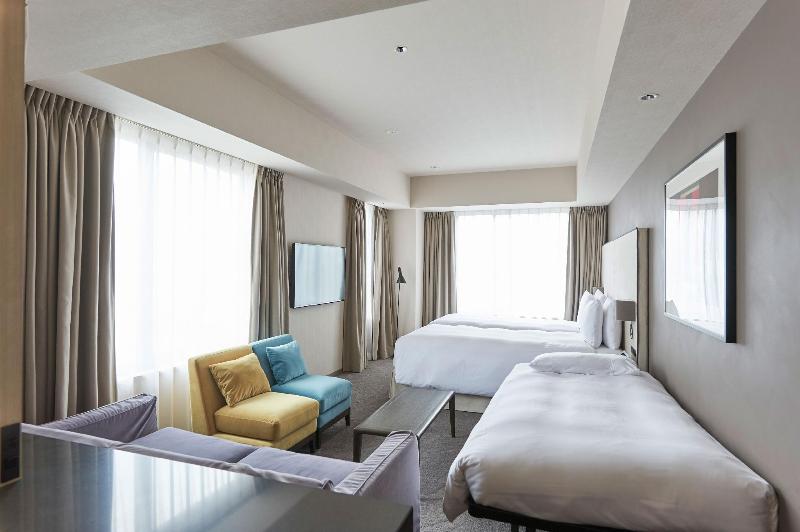
Nohga Hotel Ueno
Tokyo City
Parking
From £434 a night, taxes incl.2 adults · checked 1 Oct, 18:09
★★★★
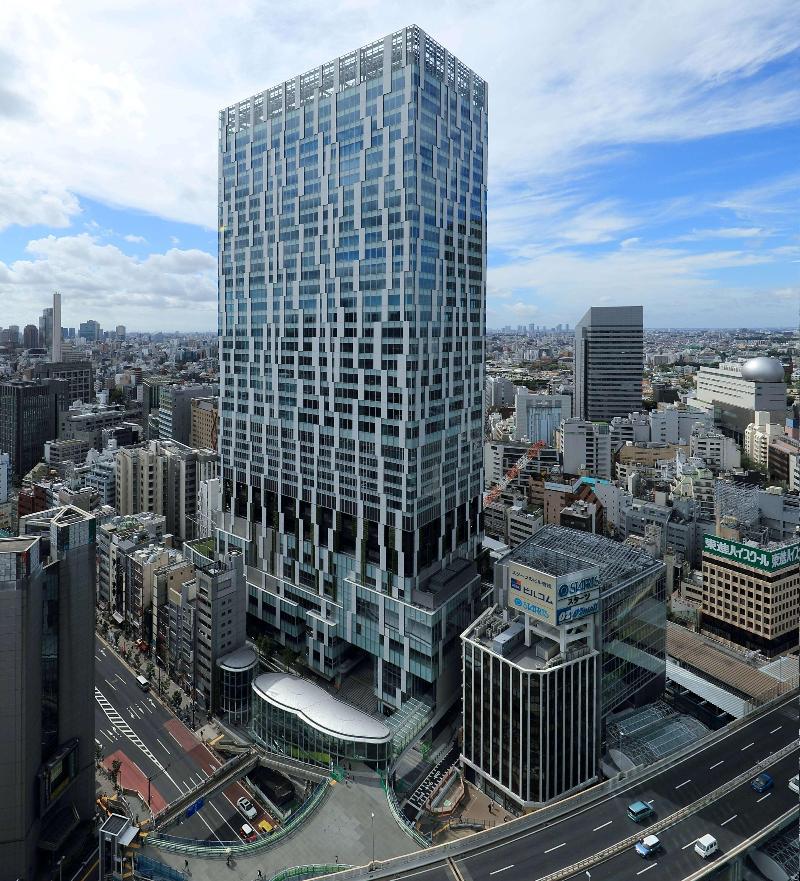
SHIBUYA STREAM HOTEL
Tokyo
Parking
See prices and rooms →
★★★★★
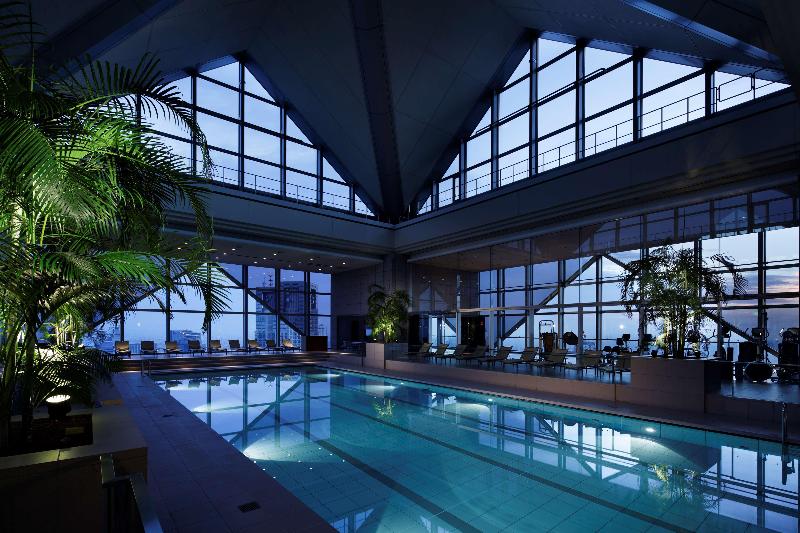
Park Hyatt Tokyo
Tokyo
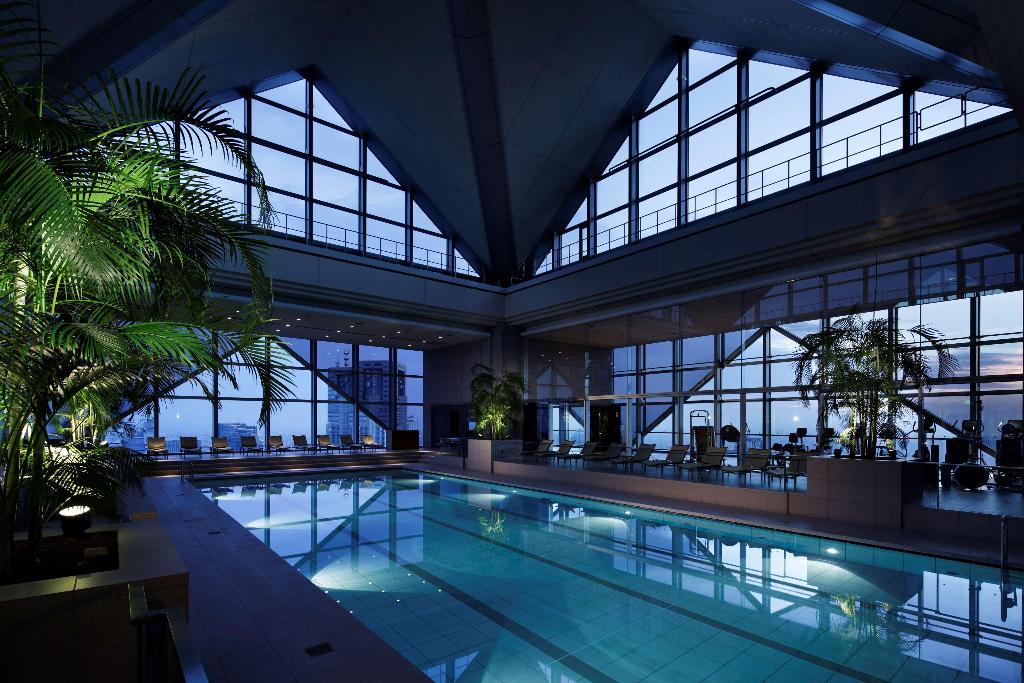
Spa · Pool · Parking
From £1,636 a night, taxes incl.2 adults · checked 1 Oct, 18:09
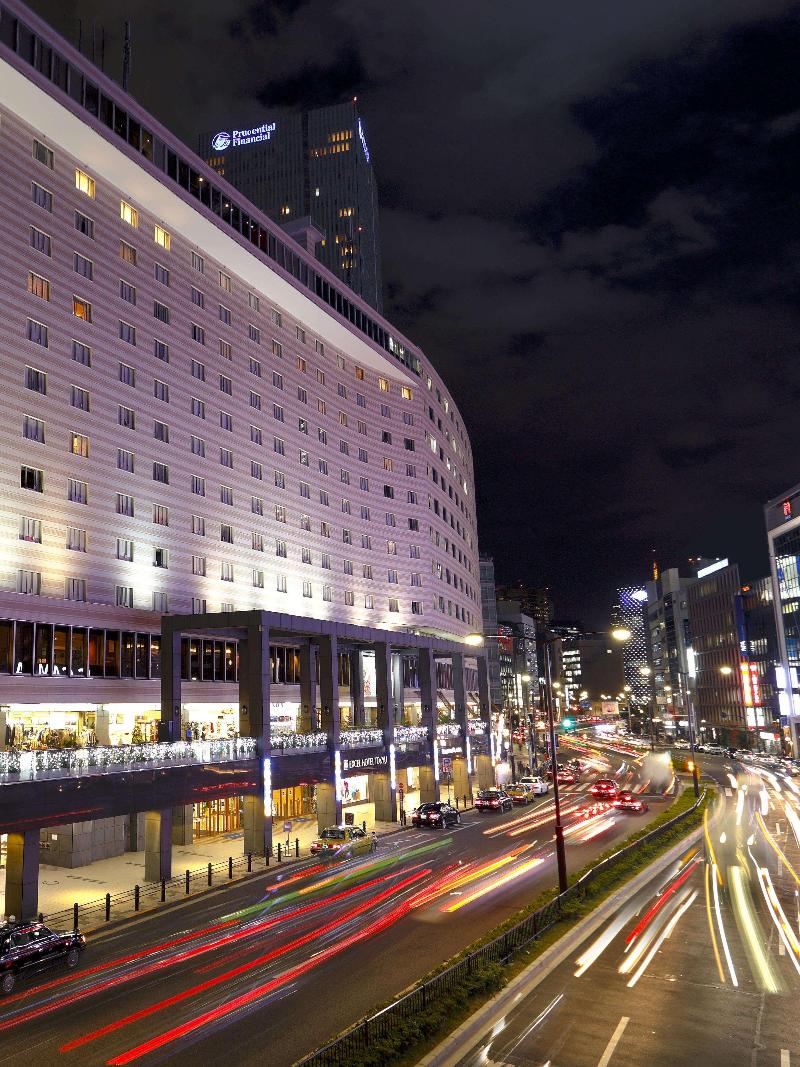
★★★★
Akasaka Excel Hotel Tokyu
Tokyo
Parking
See prices and rooms →

★★★★
Almont Inn Nihonbashi
Tokyo
Parking
See prices and rooms →
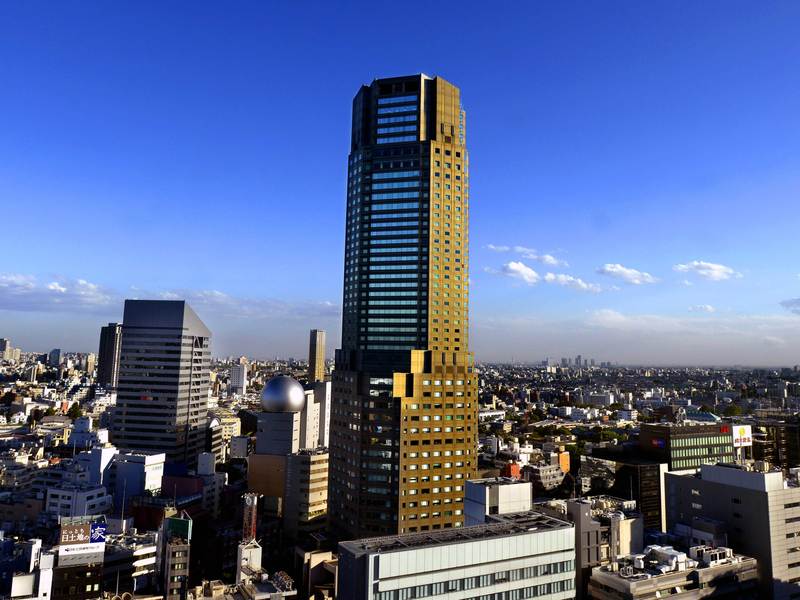
★★★★★
Cerulean Tower Tokyu Hotel
Shibuya Ku
Pool · Parking
From £724 a night, taxes incl.2 adults · checked 1 Oct, 18:09
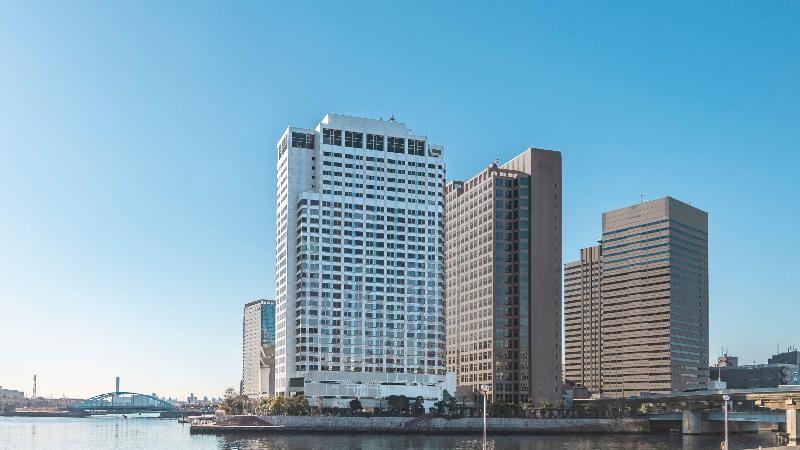
★★★★
ANA Holiday Inn Tokyo Bay
Tokyo
Parking
From £331 a night, taxes incl.2 adults · checked 1 Oct, 18:09
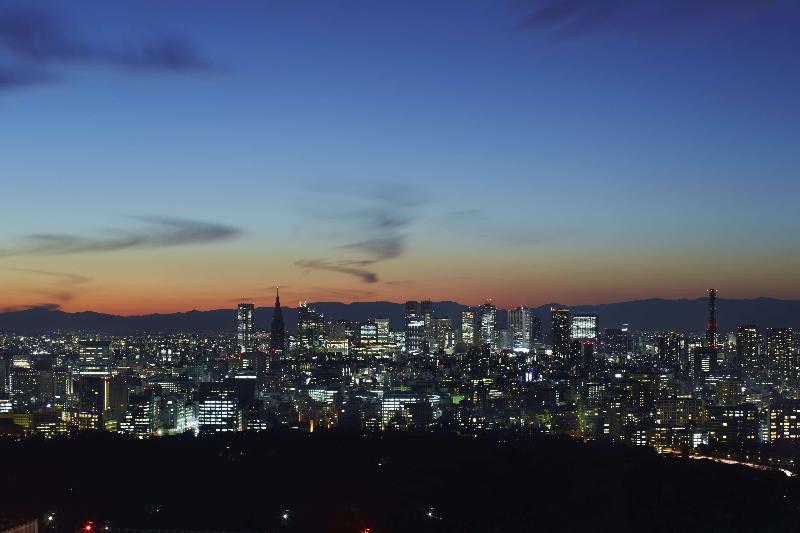
★★★★★
Aman Tokyo
Tokyo
Spa · Pool · Parking
See prices and rooms →
Getting around
Tokyo's trains and subway are fast, clean and signed in English, and the Yamanote line loops around most of the major districts. Get a rechargeable IC card (Suica or Pasmo) on arrival, which works on trains, buses and in many shops. Avoid the morning and evening rush hours if you can.
When to go
Spring (cherry blossom, usually late March to early April) and autumn (colourful leaves, October to November) are the most popular and the most comfortable seasons. Summer is hot and humid, and there is a rainy season in June. Winter is cold but often bright and clear.
Questions about visiting Tokyo
- What is Tokyo best known for?
- Its mix of ancient and futuristic: shrines and temples alongside neon districts like Shibuya and Shinjuku, plus extraordinary food, pop culture and efficient public transport.
- Is Tokyo worth visiting?
- Yes. It is one of the world’s great cities, safe and easy to navigate, with endless food, culture and neighbourhoods to explore.
- What is there to do in Tokyo with kids?
- Parks like Ueno and Shinjuku Gyoen, the views from Skytree, arcades in Akihabara, the theme parks in the Tokyo Bay area, and ramen and conveyor-belt sushi usually go down well.
- How many days do you need in Tokyo?
- Four or five days covers the main districts and sights. A week lets you add day trips such as Kamakura or Mount Fuji at a calmer pace.
- Do you need a car in Tokyo?
- No. Public transport is excellent, and driving and parking in the city are difficult and expensive. Use trains, the subway and taxis.
More guides
- Where to stay in Tokyo
- The best things to do in London
- The best things to do in Edinburgh
- The best things to do in Amsterdam
- The best things to do in Barcelona
- The best things to do in Budapest
- The best things to do in Dublin
- The best things to do in Krakow
- The best things to do in Prague
- The best things to do in Berlin
- The best things to do in Lisbon
- The best things to do in Milan
- The best things to do in Paris
- The best things to do in Rome